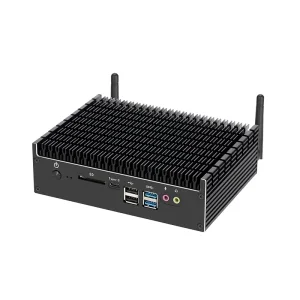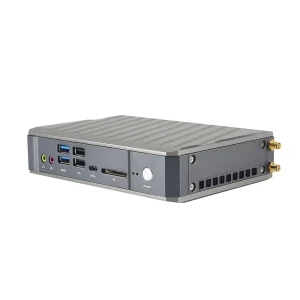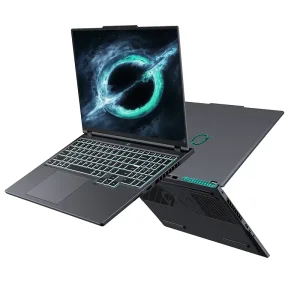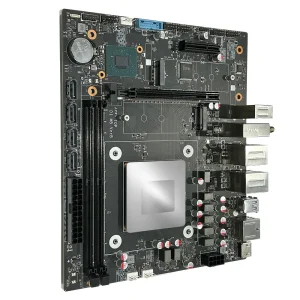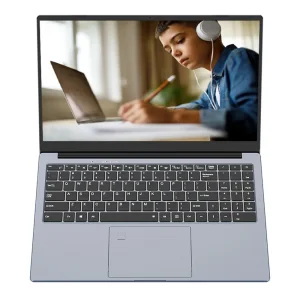
In an era defined by ubiquitous digital transformation, the definition of a "Most Reliable Laptop" has transitioned from simple physical durability to comprehensive system resilience. Across global commercial markets and heavy industrial environments, organizations no longer view computing hardware as a standard consumer commodity. Instead, it is recognized as a mission-critical edge node. From automated manufacturing lines to remote energy distribution networks, computing hardware must survive volatile thermal conditions, continuous vibration, and electromagnetic interference.
The contemporary enterprise landscape demands hardware configurations tailored to specific operational requirements. Standard off-the-shelf laptops frequently fail to meet the rigorous expectations of industries like aviation, maritime logistics, and precision medicine. The global market is experiencing an accelerating shift towards custom-built portable computers, fanless architectures, and specialized micro mini PCs. This transition ensures operational continuity, minimizes costly unplanned downtime, and lowers the overall Total Cost of Ownership (TCO).
Shenzhen, specifically the industrial corridor of Guanlan, represents the global epicenter of hardware innovation and manufacturing efficiency. The region offers an unparalleled structural advantage: a complete, vertically integrated supply chain where microprocessors, passive components, custom thermal systems, and high-precision chassis are produced within a 10-kilometer radius.
This localized cluster allows specialized manufacturers like Jinghong to compress design-to-production cycles from the industry-average of six months down to mere weeks. Furthermore, the collaboration with key chipmakers—including Intel—grants immediate access to advanced chip architectures (such as Comet Lake-U and Raptor Lake HX). This partnership provides start-ups and mid-sized enterprises with cutting-edge computing performance at budgets previously accessible only to multinational corporations.

In Shenzhen, a city where technology and innovation intertwine, countless entrepreneurs set out every day with the dream of changing the world. They may want to subvert the home audio-visual experience with a mini host, or use customized laptops to give wings to education in remote areas, or use industrial computers to promote the intelligent transformation of factories... But the reality is often: the needs of small brands are always overwhelmed by the standardization of the big market.
So, Jinghong was born.
In 2014, we started with a simple belief—"No matter how small the demand is, it deserves to be taken seriously." For 9 years, we have been deeply involved in the field of customization. From mini hosts to industrial computers, from laptops to fanless embedded devices, Jinghong has never stopped exploring how to use technology to "reduce the burden" of entrepreneurs' creativity.
We understand your struggle: Are you anxious because you can't find a factory willing to take small batch orders? Are you slowed down by complex hardware adaptation issues? Are you worried that small brands will find it difficult to obtain the same quality assurance as large companies? At Jinghong, these are not problems.
Our production line has customized palm-sized medical terminals for rural clinics in Europe, built reinforced notebooks for desert environments for start-ups in the Middle East, and designed one-hundred-dollar all-in-one computers for African educational institutions... Behind the annual sales of 100,000 units, there are 100,000 unique stories.

We remember the first order of every customer: Alex from Russia used our industrial computers to realize the intelligent transformation of gas stations, from 10 trials to annual purchases of 2,000 units. Maria from Spain used customized laptops to open up the education market for disabled children, and we optimized the one-handed operation interaction for her.
As digital integration shifts towards the physical edge, several prominent application profiles and technological trends are reshaping how procurement managers evaluate laptop and industrial PC suppliers:
Next-generation portable computers require dedicated NPUs (Neural Processing Units) alongside traditional CPUs to compute real-time telemetry, visual inspection data, and local LLM pipelines without cloud latency.
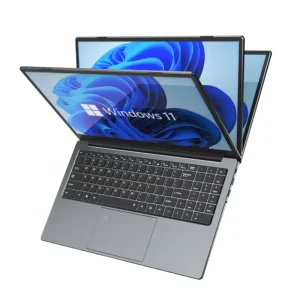
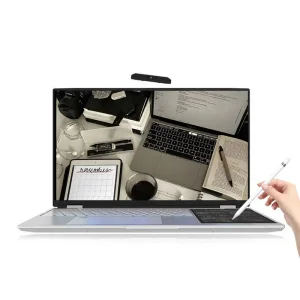
The demand for compact, multi-display mobile terminals has surged in industries like security, code compilation, and financial modeling, leading to innovative dual-screen configurations like the 15+7 inches layout.
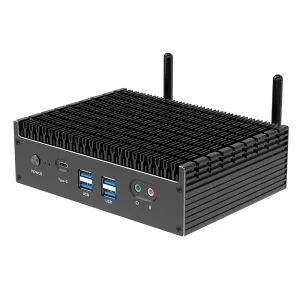
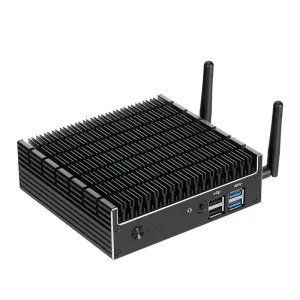
Eliminating rotating mechanical fans prevents airborne dust ingestion and fluid contamination, keeping hardware components running continuously in heavy industrial sites without overheating.
Procurement directors in international markets prioritize strict quality controls. Key evaluation metrics go beyond upfront acquisition cost to focus on component availability lifecycles (typically 5 to 7 years for industrial PCs), system compatibility with enterprise operating systems, and certified testing under environmental extremes. Jinghong's direct factory access model mitigates middleman risks, allowing companies to lock down component lifespans, obtain bespoke BIOS solutions, and implement localized port architectures like native DP/HDMI displays and legacy serial connections.
Before each device leaves the factory, engineers will affix a unique QR code - scan it and you can see the birth log of this machine: from the source of chip procurement to the last quality inspection process, even including the signature of the assembly technician. Because we believe: transparency is the starting point of trust.
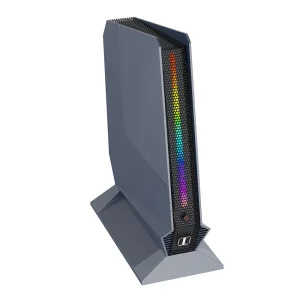
If you are also tired of "making do", if you want your product to truly become an extension of the brand, welcome to the Jinghong factory in Guanlan, Shenzhen. Touch the antifreeze keyboard customized for polar scientific research, try the cool host designed for e-sports hotels, and you will find that the ambition of small brands should be listened to seriously.
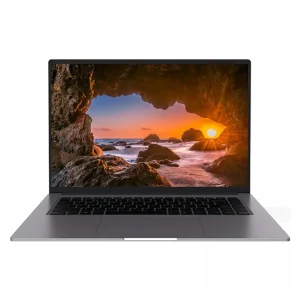
 JingHong Device