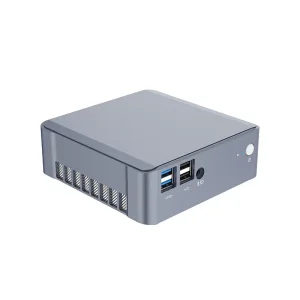
Explore our premium lineup of customizable notebook mini designs, industrial hosts, and gaming systems built to drive efficiency across diverse deployment environments.
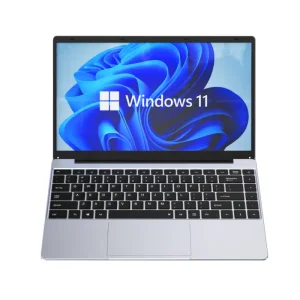
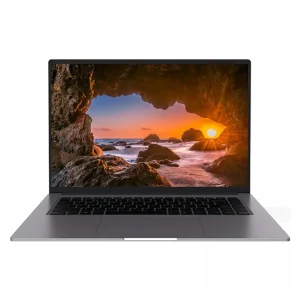
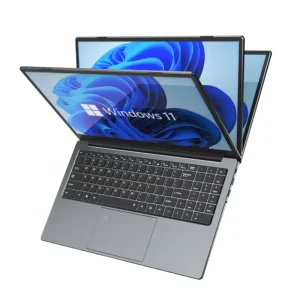
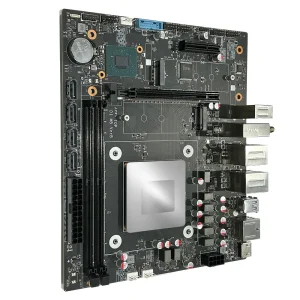
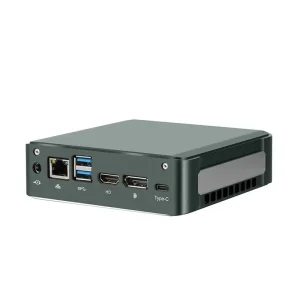
Bridging the gap between micro-architectures and industrial-grade high-availability client terminals.
An in-depth analysis of supply chain localization, market drivers, and regional integration requirements.
Shenzhen's Guanlan cluster remains the heartbeat of the micro-computing supply chain, facilitating fast prototyping from high-end multi-layer motherboard PCB layout design to sheet-metal casting within days.
Increasing need for fanless edge gateways and multi-display hubs in European automation networks, smart transport terminals, and Middle Eastern desert telemetry units where dust isolation is critical.
Direct component sourcing from manufacturers of core Intel platforms allows boutique enterprises to gain high-spec computing (up to i7 Raptor Lake architectures) within modest CAPEX parameters.

Customize every possibility for the dream of small brands
In Shenzhen, a city where technology and innovation intertwine, countless entrepreneurs set out every day with the dream of changing the world. They may want to subvert the home audio-visual experience with a mini host, or use customized laptops to give wings to education in remote areas, or use industrial computers to promote the intelligent transformation of factories... But the reality is often: the needs of small brands are always overwhelmed by the standardization of the big market.
So, Jinghong was born.
In 2014, we started with a simple belief—"No matter how small the demand is, it deserves to be taken seriously." For 9 years, we have been deeply involved in the field of customization. From mini hosts to industrial computers, from laptops to fanless embedded devices, Jinghong has never stopped exploring how to use technology to "reduce the burden" of entrepreneurs' creativity.
We understand the unique challenges facing expanding brands today:
At Jinghong, these are not problems. Our production line has customized palm-sized medical terminals for rural clinics in Europe, built reinforced notebooks for desert environments for start-ups in the Middle East, and designed one-hundred-dollar all-in-one computers for African educational institutions... Behind the annual sales of 100,000 units, there are 100,000 unique stories.

Our commitment to quality, long-term partnerships, and elite engineering standards sets us apart.
How next-generation SoC designs and thermal limits shape the micro-computing landscape.
Modern mini laptops and micro hosts have transitioned from high-TDP desktop architectures to highly integrated System-on-Chip (SoC) micro-architectures. Utilizing architectures like Intel Comet Lake-U, Tiger Lake, and Raptor Lake-HX allows systems to operate under restricted 15W–45W envelopes. This achieves stable TDP throttling thresholds without requiring massive active cooling setups.
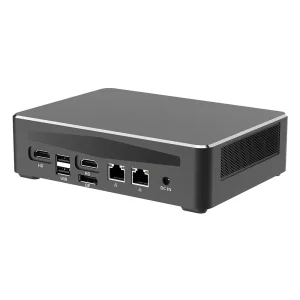
Next-generation mini computing designs integrate dual DisplayPort (DP), dual HDMI, or quad-display video outputs via high-speed Thunderbolt or USB 4 Type-C lines. This configuration meets the needs of financial terminals, control rooms, and digital signage nodes that demand multi-monitor outputs from a single unit.
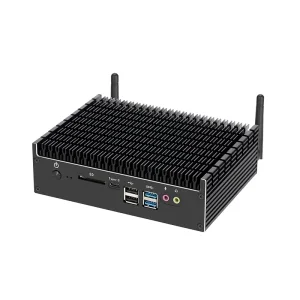
By using solid-state capacitors and robust heat dissipation pipes in a fanless layout (such as the WG1 Industrial series), systems run continuously for 50,000+ hours. The absence of moving fans eliminates dust buildup, reducing point-of-failure risks in industrial environments.
Practical integration workflows of notebook mini devices across modern industries.
Using Fanless Mini PCs (like the WG1 Comet Lake-U) to interface directly with PLCs on factory floors. High physical durability, wide operating temperatures, and robust RS232/RS485 COM ports enable continuous data telemetry without downtime.
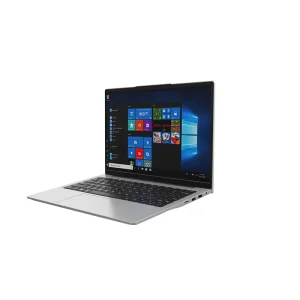
Affordable 14.1-inch notebooks paired with optimized OS profiles provide reliable computing to rural educational districts. These configurations allow school boards to scale student workstations efficiently.
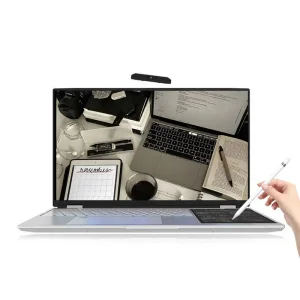
Dual-screen laptops featuring a main 15.6-inch display paired with an auxiliary screen. This setup enables real-time timeline editing, live chat management, and script reading, streamlining mobile content production workflows.
A reference mapping hardware configurations to operational needs.
Recommended Hardware: WG1 Fanless Mini PC / MU01 Micro Host.
Primary Goal: Dust isolation, 24/7 reliability, legacy COM connections, wide voltage input protection.
Recommended Hardware: 14.1-inch Custom Intel Notebooks.
Primary Goal: Cost-effective deployment, lightweight builds, reliable performance, and durable chassis designs.
Recommended Hardware: 15.6" Dual Screen Laptop / NB06 16.1" Metal Gaming Laptop.
Primary Goal: Dynamic layout control, high thermal capacity, dedicated graphics capabilities, and solid-state storage speed.
Expert insights on customizing and operating micro-computing hardware.
Compare models, review detailed specifications, and contact our team to customize your hardware configuration.
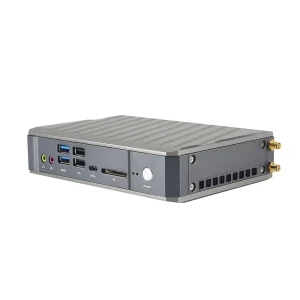
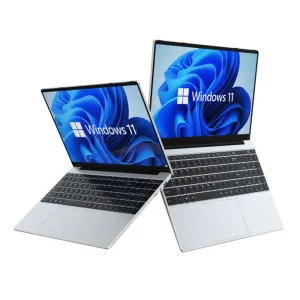
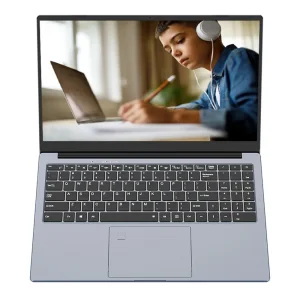
Jinghong is not a cold factory, but an amplifier of dreams.
If you want your hardware to serve as a reliable foundation for your brand, we welcome you to visit the Jinghong factory in Guanlan, Shenzhen. Here, you can test specialized hardware built for demanding settings, discuss configurations with our engineers, and find tailored solutions for your projects.
 JingHong Device