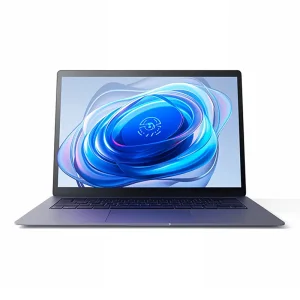
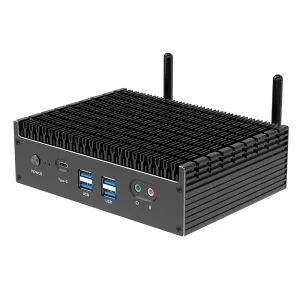
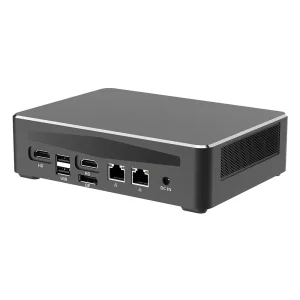
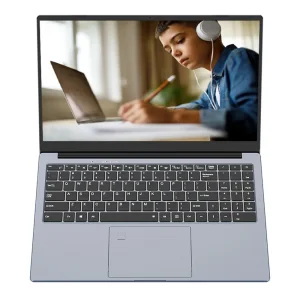
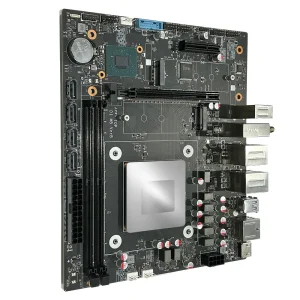
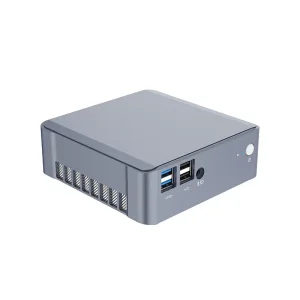
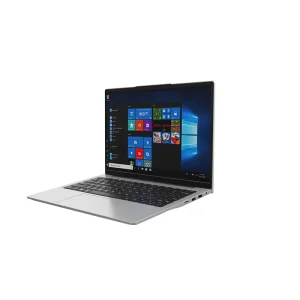
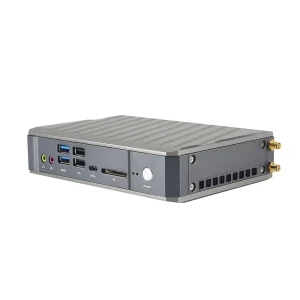
In the global race for high-performance computing, Affordable Gaming Laptops are no longer synonymous with compromised quality. The Chinese manufacturing ecosystem, specifically centered in the Guanlan and Shenzhen tech hubs, has evolved into a sophisticated "Hardware Silicon Valley." This evolution provides three critical pillars of information gain for global enterprises.
Global Supply Chain Integration
Average Cost Efficiency vs. Tier-1 Brands
Rapid Prototyping Cycle
Minimum Order Quantity Flexibility
The core advantage lies in the Vertical Integration of Micro-Electronics. Unlike traditional OEM models, factories in China now offer deep-level customization (ODM) that includes PCB layout modification, thermal management optimization, and proprietary BIOS tailoring. This allows "affordable" products to achieve performance benchmarks previously reserved for high-end boutique systems.
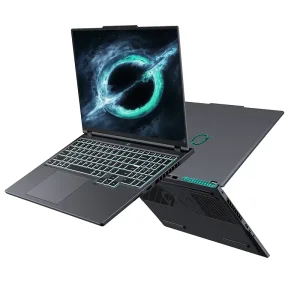
The rise of local LLMs and AI-driven upscaling (DLSS/FSR) is redefining laptop architecture. Affordable gaming laptops now incorporate NPU (Neural Processing Units) to enhance both gaming and productivity workflows.
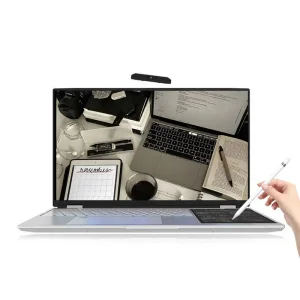
As seen in our 15.7-inch dual-screen models, the trend is moving toward multi-tasking interfaces, catering to streamers, coders, and digital creators who require more screen real estate.
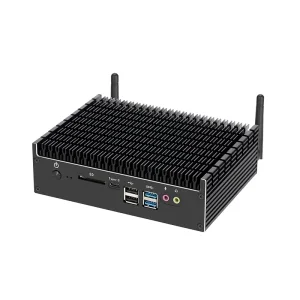
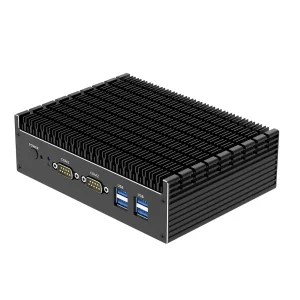
Fanless industrial designs are merging with gaming tech. Liquid metal cooling and vapor chambers are trickling down to the "affordable" segment, ensuring sustained peak performance without thermal throttling.

Customize every possibility for the dream of small brands
In Shenzhen, a city where technology and innovation intertwine, countless entrepreneurs set out every day with the dream of changing the world. They may want to subvert the home audio-visual experience with a mini host, or use customized laptops to give wings to education in remote areas, or use industrial computers to promote the intelligent transformation of factories... But the reality is often: the needs of small brands are always overwhelmed by the standardization of the big market.
So, Jinghong was born. In 2014, we started with a simple belief-"No matter how small the demand is, it deserves to be taken seriously." For 9 years, we have been deeply involved in the field of customization. From mini hosts to industrial computers, from laptops to fanless embedded devices, Jinghong has never stopped exploring how to use technology to "reduce the burden" of entrepreneurs' creativity.

Customized service like a partner:
Quality that speaks:
Turnkey hardware solutions with customized I/O ports and high-performance independent graphics cards (S1 series) optimized for 24/7 public use.
Lightweight, durable 14-inch laptops (i3-6100U models) tailored for school deployments in Africa and Southeast Asia, balancing cost and longevity.
Fanless mini-PCs and reinforced notebooks for polar research or desert environments, featuring IP-rated protection and specialized thermal structures.
Laptops with custom BIOS, hardware-level TPM 2.0, and localized security features for large-scale corporate procurement.
A: Yes. We offer comprehensive OEM services, including laser engraving for logos, custom RAL color painting, and even customized tooling for unique chassis designs starting from low volume orders.
A: Our engineers specialize in high-efficiency cooling. We use upgraded copper heat pipes and custom fan curves that often outperform mass-produced consumer laptops, ensuring 50,000+ hours of stable operation.
A: For standard configurations with minor branding, lead time is 7-14 days. Deep hardware customization typically requires 21-30 days including the 72-hour rigorous testing phase.
A: Absolutely. We have extensive experience shipping to Europe, the Middle East, Russia, and Africa, handling all documentation for custom clearance and providing door-to-door delivery options.
Jinghong is not a cold factory, but an amplifier of dreams. Transparency is the starting point of trust.
"Before each device leaves the factory, engineers affix a unique QR code - scan it and you can see the birth log of this machine: from the source of chip procurement to the last quality inspection process."
 JingHong Device